Source: http://gcaptain.com/2013-year-in-maritime-photos/
BY

January 1, 2013 - Shell’s conical drilling rig Kulluk seen hard aground on the southeast shore of Sitkalidak Island, Alaska, on January 1, 2013. The rig grounded after breaking free during a tow from Dutch Harbor, AK to Everett, WA days earlier. The Kulluk was later pulled from shore without incident, but the grounding was the final straw in Shell’s mishap-plagued arctic drilling plans in the Chukchi and Beaufort Seas. U.S. Coast Guard Photo

January 17, 2013 - Heavy waves crash against the grounded U.S. Navy mine countermeasure ship USS Guardian (MCM 5), which ran aground on the Tubbataha Reef in the Philippines, on January 17, 2013. The 23-year-old ship was so badly damaged that salvage crews were forced to cut the wooden-hulled vessel up and remove it in pieces. A preliminary report later determined that faulty digital charts contributed to the grounding. U.S. Navy Photo

February 11, 2013 - The Carnival Triumph seen adrift off southern Mexico’s Yucatan peninsula in the Gulf of Mexico after a February 10 engine room fire caused the vessel to lose power and propulsion with more than 4,000 people onboard. Photo: U.S. Coast Guard

February 12, 2013 - Dockwise’s new Type-O heavy lift supervessel, Dockwise Vanguard, ready to depart Samsung Heavy Industries in Geoje, South Korea on her maiden voyage to Ingleside, Texas with the 56,000 ton Jack/St. Malo semisubmersible. Image (c) 2013 Dockwise

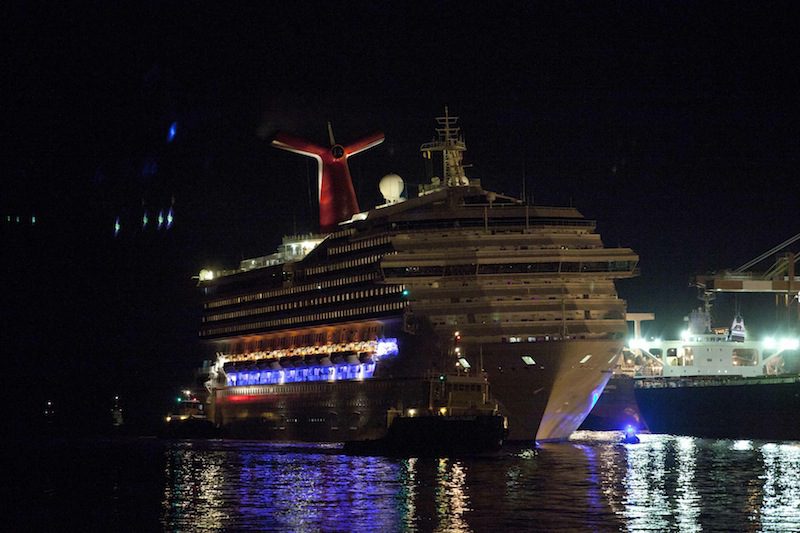
February 14, 2013 - The Carnival Triumph was towed into Mobile, Alabama a few days later with no real harm to passengers, but horror stories about the conditions onboard gained international media attention. The fallout from the incident was considered a black eye for Carnival and contributed to CLIA’s voluntary adoption of the “Passenger Bill of Rights,” a list of ten amendments addressing the basic freedoms of cruise ship passengers. Photo: REUTERS/ Lyle Ratliff

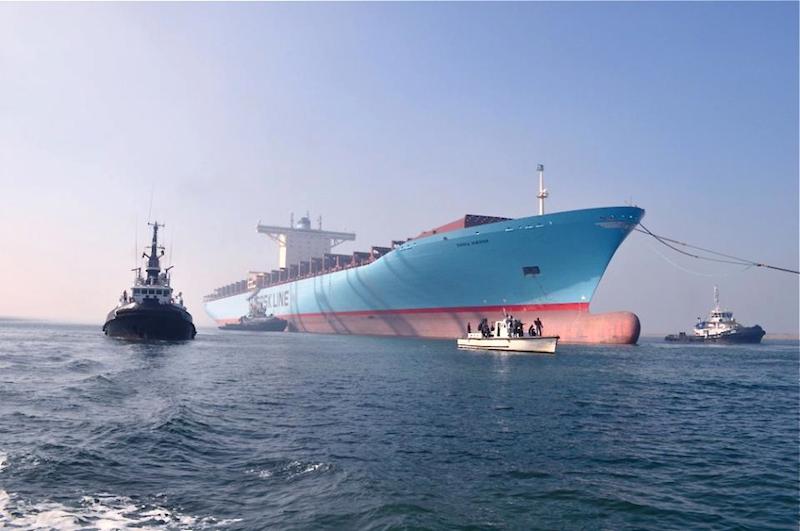
February 17, 2013 - The mighty Emma Maersk is towed from Egypt’s Port Said where she had been berthed since February 2 when a broken stern thruster caused the ingress of water into her engine room, leading to a loss propulsion near the northern entrance of the Suez Canal. The ship finally returned to service in July after undergoing major repairs at the Fincantieri yard in Palermo, Sicily. Photo courtesy Maersk Line

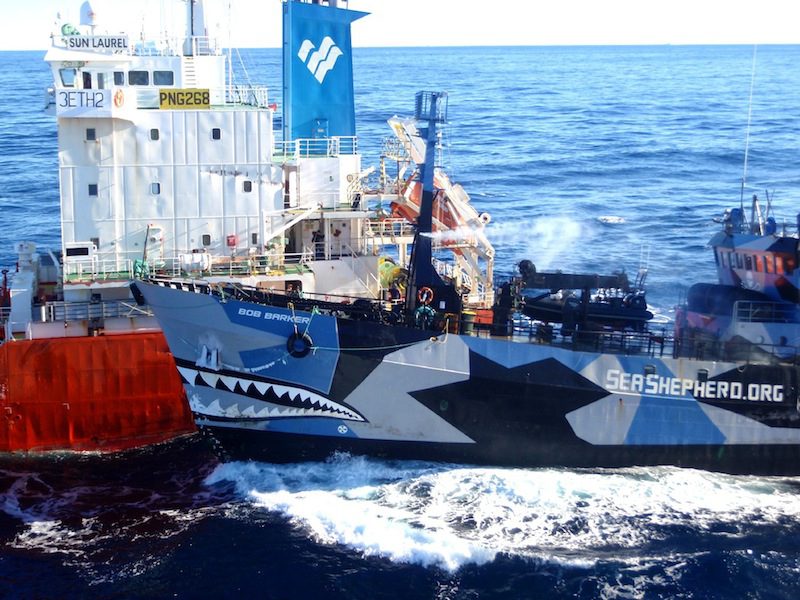
February 25, 2013 - The Sea Shepherd Conservation Society vessel Bob Barker (shark pattern) collides with the Japanese whaling fleet’s refueling ship, Sun Laurel, in the Southern Ocean in this photo released by the Institute of Cetacean Research (ICR). The Sea Shepherd’s high-seas antics were so aggressive this year that a U.S. court ruled in favor of Japan that the SSS fleet’s anti-whaling tactics, led by Paul Watson, really do amount to acts of piracy. Image credit: REUTERS/The Institute of Cetacean Research

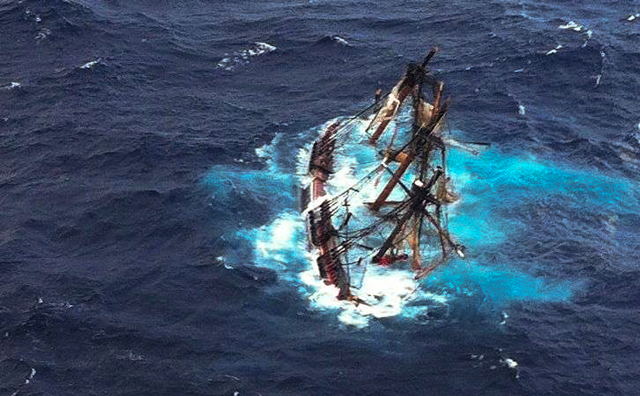
March 1, 2013 - The U.S. Coast Guard kicked off an investigative hearing into the 2012 Bounty sinking, beginning with testimony from John Svendsen, Bounty’s Chief Mate, who was in all likelihood the last person to see Captain Waldridge alive. The eight days testimony were chronicled in a series by former Coast Guard rescue swimmer and safety expert, Mario Vittone, who attended the hearings. See: Bounty Hearings – Day 1

March 1, 2013 - The U.S. Navy’s first littoral combat ship, USS Freedom (LCS 1), seen departing her homeport of San Diego on her maiden overseas deployment to Southeast Asia. Despite a few setbacks for the first-in-class ship, the mission has been considered an overall success.

March 20, 2013 -Shell’s Kulluk rig, which we mentioned earlier, hitching a ride back to a shipyard in Asia for repairs. Needless to say, Shell’s 2013 summer arctic drilling plans never panned out.

March 30, 2013 - The final section of the ex-Guardian is removed from the Tubbataha Reef in the Philippines. U.S. Navy Photo

April 3, 2013 - A strong afternoon thunderstorm caused the Carnival Triumph to break free from its moorings at the BAE Shipyard in Mobile, Alabama, where it had been undergoing repairs since its February power loss in the Gulf of Mexico. Winds reported to be about 70 mph pushed the vessel across the Mobile River and into a USACE dredge, causing damage. You can see video of the vessel breaking free HERE. U.S. Coast Guard Photo.

April 5, 2013 - Lürssen Yachts launched what is now the world’s largest superyacht at their shipyard in Bremen, Germany. Named Azzam, the superyacht measures a comfortable 180 meters (that’s 590 feet!), beating out the former World’s Largest Superyacht title holder, Roman Abramovich’s Eclipse, just a cozy 536 feet long. Photo courtesy Lürssen Yachts.

April 16, 2013 - Royal Caribbean International unveiled the long-awaited details of the company’s new generation Quantum-class, two of which are currently under construction at the Meyer Werft shipyard in Papenburg, Germany. The 167,800 grt ships will span 18 decks, with accommodation for 4,180 guests in 2,090 staterooms and once delivered will be the second largest in the RCCL fleet. Illustration courtesy Royal Caribbean International

April 26, 2013 - India announced that a special anti-terrorism agency will investigate the case of two Italian marines accused of murdering two Indian fishermen while serving as part of a shipboard security team onboard the Enrica Lexie last year. The marines claim they mistook the fisherman for pirates when they fired warnings shots at the boat. Experts say the special agency’s involvement raises the possibility of the men facing the death penalty if convicted.


May 7, 2013 - At about 10 p.m., the Ignazio Messina-owned Jolly Nero containership backed into the 50-meter tall port control tower (pictured above) at the Port of Genoa, causing the structure and adjacent building to collapse, killing 9 people. The captain, first officer and pilot remain under investigation on charges of multiple manslaughter, assault on transport safety, and collapse of the tower due to a negligent maneuver. As tragic as it was, the incident could have been a lot worse had it happened during the day. Photo courtesy Italian Coast Guard

May 15, 2013 - On May 15, 2013, the U.S. Navy took delivery of the very first Mobile Landing Platform, USNS Montford Point (MLP 1), from General Dynamics-NASSCO in San Diego, California. The MLP is a new class of ship expected to provide the U.S. Navy with capability for large-scale logistics movements from sea to shore, but the class is questioned by some about its real-world usefulness. U.S. Navy Photo

May 26, 2013 - On May 26, the Jascon 4 tugboat sank in 30 meters of water after it capsized off the coast of Nigeria, taking all 12 crew with it. Miraculously, more than two days after its sinking, a dive team searching for bodies came across a lone survivor, the ship’s cook, who was trapped inside a tiny air bubble and survived by drinking Coca-Cola’s. A video showing when divers discovered the man finally surfaced in early December and it is amazing. VIDEO

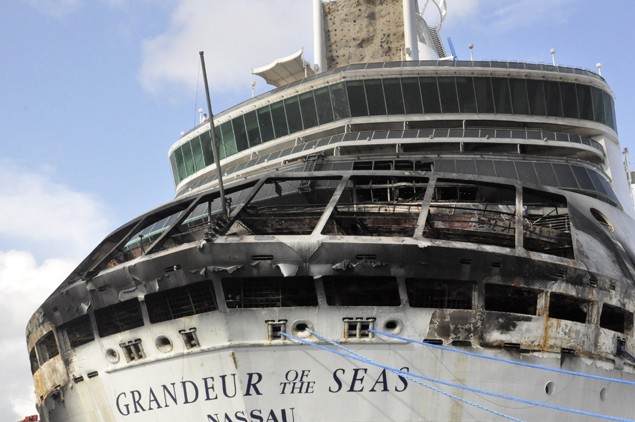
May 27, 2013 - Damage to the Royal Caribbean cruise ship Grandeur of the Seas is pictured as the ship is docked in Freeport, Bahamas on May 27, after a fire broke out on the ship’s aft mooring deck a day earlier. None of 2,224 passengers and 796 crew members were harmed in the incident, but photos of the fire damage weren’t exactly a good look for an industry already faced with public safety concerns. REUTERS/Royal Caribbean/Handout

June 13, 2013 - Nicaraguan lawmakers granted a 50-year concession to the Hong Kong-based HKND, lead by relatively the unknown businessman Wang Jing, pictured above, to design, build and manage a shipping channel across the Central American nation that, if built, would compete with the Panama Canal. REUTERS/Jason Lee

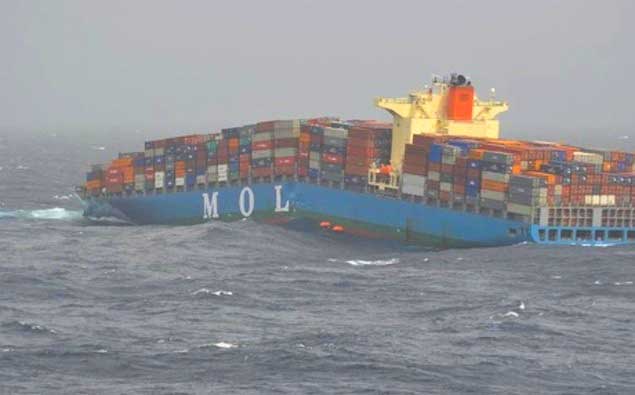
June 17, 2013 - On June 17, Mitsui O.S.K. Lines’ 2008-built MOL Comfort began suffering from severe hogging and broke in two while underway from Singapore to Jeddah in the Indian Ocean. The crew escaped in life rafts, but both the fore and aft sections went adrift before eventually sinking. Photo courtesy Indian Coast Guard

June 27, 2013 - Ten days after breaking up, the aft section began taking on water and sank in the Indian Ocean with an estimate 1,700 containers. Photo courtesy Indian Coast Guard

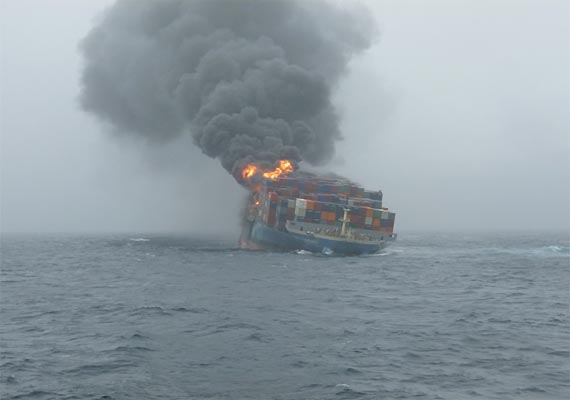
July 6, 2013 - Crews were able to connect to the fore section and tow it most of the way to the Arabian Gulf coast. But on July 2, the section broke free from its tow and, after several attempts to reconnect, eventually caught fire July 6. Photo courtesy Indian Coast Guard

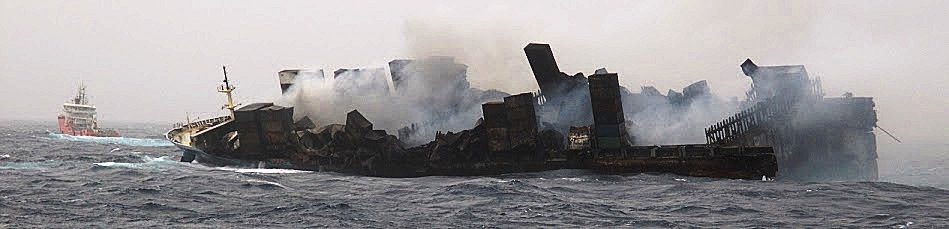
July 10, 2013 - The charred section of the MOL Comfort ended up sinking four days later on July 10.

July 2, 2013 - Maersk Line took delivery of its first record breaking Triple-E, MV Mærsk Mc-Kinney Møller, and the vessel departed later in the month on her maiden voyage from Busan to ports throughout Asia and Europe. At 400 meters and with a capacity of 18,000 TEU, the Maersk Triple-E’s are the world’s largest ships. The company has ordered a total of 20 Triple-E’s from Daewoo Shipbuilding and Marine Engineering in South Korea. So far there are four Triple-E’s in service. Photo courtesy Vladimir Toniæ

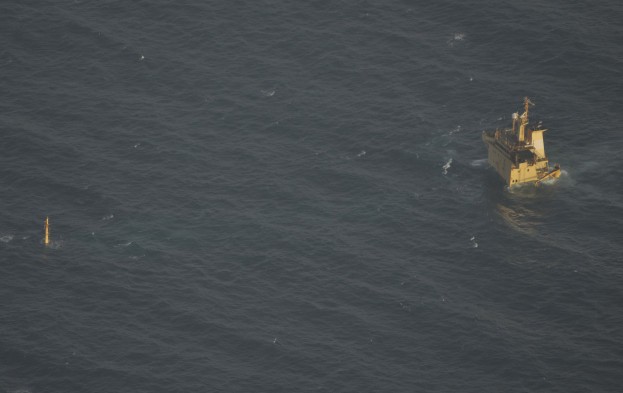
July 9, 2013 - The MV Albedo, one of the last remaining hijacked vessels under the control of Somali pirates, sank in rough seas just off the coast of Somali. The MV Albedo and its 15 crew had been held by pirates since being attacked in the Indian Ocean in November 2010. There are still conflicting reports as to whether or not any of the hostages being held on board, or pirates, were killed when the vessel sank. In fact, the whereabouts of the hostages is yet to be confirmed. Image courtesy EU NAVFOR

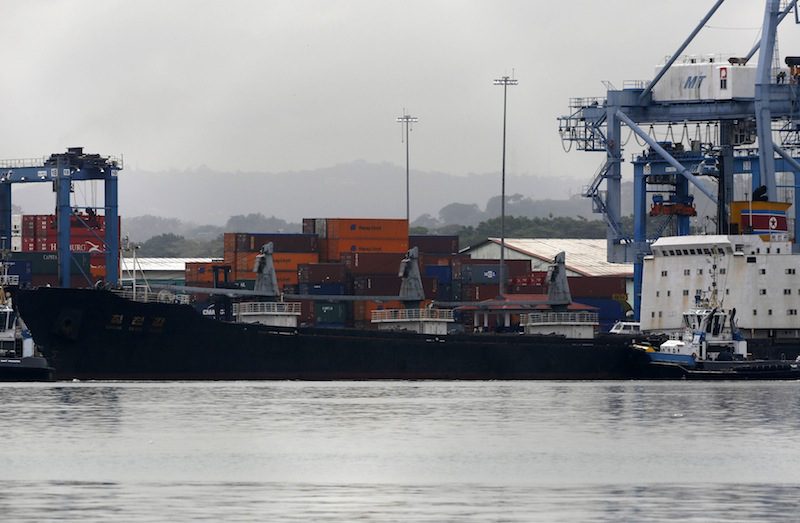
Jul 16, 2013 - The North Korean container ship ”Chong Chon Gang” docked at the Manzanillo International Container Terminal in Colon City, Panama, July 16, 2013. The ship was seized by Panamanian authorities after finding missile equipment being smuggled from Cuba. REUTERS/Carlos Jasso

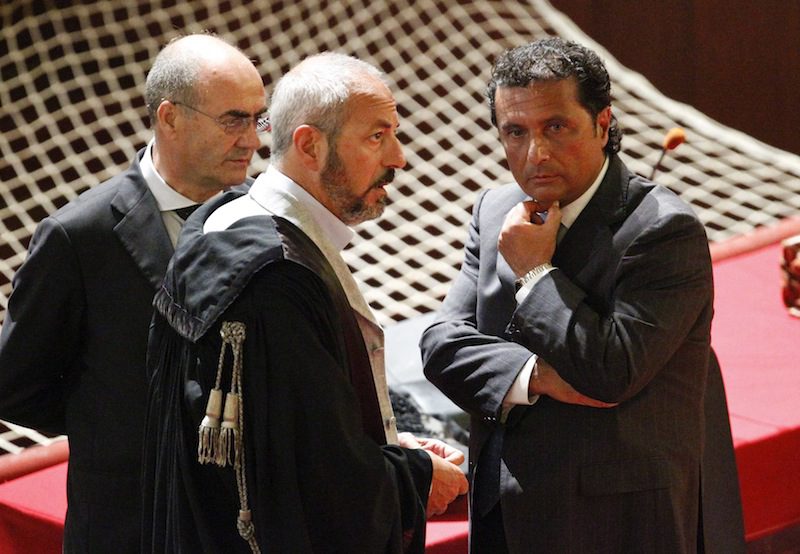
July 17, 2013 - Francesco Schettino (right), captain of the Costa Concordia cruise ship, talks with his lawyers during his trial in Grosseto, Italy. Schettino is on trial for charges of manslaughter, causing a shipwreck and abandoning ship after the 114,000 ton vessel, carrying more than 4,000 passengers and crew, struck a rock off the island of Giglio and partially sank with the loss of 32 lives on January 13, 2012. If convicted, Schettino could face up to 20 years in jail. REUTERS/Giampiero Sposito

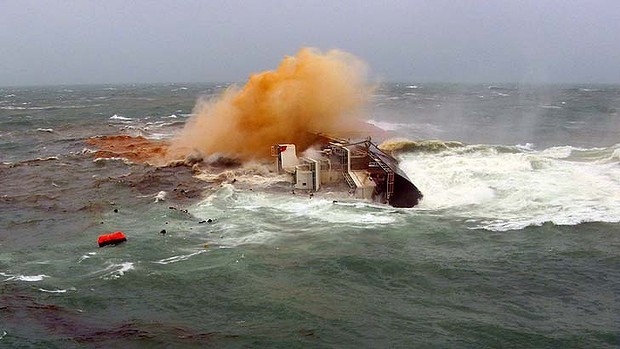
August 7, 2013 - The world’s most dangerous cargo claimed another bulk carrier, the 2012-built MV Trans Summer, off the coast of Hong Kong during a tropical storm. The sinking was typical of a slew of recent casualties involving nickel ore shipments, particularly from Indonesia to China. The only difference with this incident was that their were no lives lost. Photo: HKG Flying Service

August 8, 2013 - On August 8th, the geared bulk carrier Kiani Satu was pushed aground in Buffels Bay, South Africa after suffering a power failure in heavy seas. The ship was eventually pulled from the beach, but the ingress of water resulted in her sinking far from shore on August 21, 2013. Image: NSRI

August 19, 2013 - Almost literally as the Kiani Satu was sinking, another bulk carrier in South Africa, the MV Smart, found itself hard aground on a sand bar just outside Port Richards Bay with a cargo of coal. The ship broke up shortly thereafter. Image: Glen Martin

October 8, 2013 - After lightening, the Smart’s stern section was eventually refloated before being towed out to sea and scuttled. What ever happened to the bow section?

August 20, 2013 - The Maritime Labor Convention 2006, considered as the fourth pillar of maritime regulation, was entered into force. The convention, which has been dubbed the “Seafarers Bill of Rights”, provides an international set of standards concerning the basic rights of the world’s seafarers. As of December 20, a total of 54 countries have ratified the convention, representing approximately 80 percent of the world gross tonnage. Image (c) Lou Vest/OneEighteen

August 20, 2013 - The first four gates for the Panama Canal’s new, larger locks arrived in Colon, Panama. The arrival of the new gates was considered a major milestone in the expansion of the vital waterway, which is expected to be completed in 2015. REUTERS/ Carlos Jasso

August 26, 2013 - An aerial view shows the Costa Concordia as it lies on its side next to Giglio Island taken from an Italian navy helicopter August 26, 2013, just as final preparations for the parbuckling of the ship were being made. REUTERS/Alessandro Bianchi

August 31, 2013 - A group of men used RPGs to launch an attack on a COSCO containership in the Suez Canal. The failed attempt caused little to no damage to the ship and any talk of terrorism was quickly downplayed officials in Egypt. A video of the attack was later released on youtube.

September 6, 2013 - September seemed like an epic month for smugglers in the Mediterranean Sea. The Tanzanian-flagged MV Gold Star, pictured here, was the first of two ships to see its multi-ton cannabis cargo go up in smoke off the coast of Malta. REUTERS/Armed Forces of Malta Press Office

September 10, 2013 - The Chinese-flagged MV Yong Sheng arrived at the Port of Rotterdam following a 33 day voyage from the Port of Dalian in northeastern China via the Northern Sea Route. The journey marked the first time a commercial vessel sailed to Rotterdam from Asia via the famed arctic route and the first Chinese vessel to complete the journey, which is increasingly being considered as a viable option for shipping.

September 16, 2013 - The capsized cruise liner Costa Concordia lies on its side next to Giglio Island early on September 16, 2013 as the parbuckling operation gets underway. The parbuckling was delayed a few hours due to an overnight thunderstorm and in general took longer than expected. REUTERS/Tony Gentile

September 17, 2013 - The Costa Concordia sits upright for the first time in more than 20 months following the 19-hour parbuckling of the ship, which was watched live by millions. The operation was hailed as a complete success.

September 18, 2013 - On September 18, a security team onboard a Russian arctic oil platform had a run-in with a group of Greenpeace activists who trying to scale the rig in protest arctic oil drilling. The confrontation lead to the arrest of Greenpeace’s Arctic Sunrise vessel and all 30 activists onboard. The activists, who became known as the ‘Arctic 30′, originally faced charges piracy although the charges have since been downgraded to ‘hooliginism’, a lesser but still serious offense.

October 7, 2013 - PortMiami saw the arrival of four new Super Post-Panamax cranes from China as the port prepares for larger ships ahead of the opening of the expanded Panama Canal in 2015. “The Post-Panamax Era is near at hand,” said Miami Mayor Carlos A. Gimenez. Image courtesy PortMiami

October 11, 2013 – The blockbuster movie Captain Phillips, perhaps the most anticipated maritime film ever, was released in theaters. The movie, which tells the story of the 2010 Maersk Alabama hijacking off Somalia, was praised by critics and the industry alike and was used as the centerpiece for promoting a strong U.S. Flag, even if some didn’t agree with Phillips’ orders to sail close to the Somali coast to save time.

October 28, 2013 - General Dynamics Bath Iron Works successfully launched the Navy’s first Zumwalt-class destroyer at their Bath, Maine shipyard. The ship, the future USS Zumwalt (DDG 1000), will be the first of three ships in the Navy’s newest destroyer class, designed for littoral operations and land attack. U.S. Navy Photo

November 6, 2013 - Search giant Google for the first time acknowledged the existence of, and use for, a mysterious barge under construction in San Francisco Bay, silencing rumors that the facility may be a floating data center. Still it seems the more we find out about the barge (along with a similar one in Maine), the less we really know about its intended use. REUTERS/Stephen Lam/Files

November 7, 2013 - Super Typhoon Haiyan (aka Yolanda) was packing winds of 196 miler per hour with gusts as high as 235 mph before going ashore in the central Philippines early on November 8. Image courtesy of CIRA/RAMMB http://rammb.cira.colostate.edu/

November 11, 2013 - A cargo ship washed ashore is seen four days after super typhoon Haiyan hit Tacloban city in the central Philippines, November 11, 2013. Haiyan has turned out to be strongest storm ever recorded on earth. REUTERS/Romeo Ranoco

November 13, 2013 - A Spanish court cleared the Captain and Chief engineer of criminal responsibility in relation to the 2002 sinking of the Prestige oil tanker, Spain’s worst ever environmental disaster. To the dismay of maritime industry, the Court also cleared the port official who refused the vessel and upheld a lesser charge of ‘disobedience’ against the Captain for refusing to sail the damaged ship out to sea during a storm. Spain is planning to appeal the case.

November 16, 2013 - The Indian Navy flag is hoisted on the aircraft carrier INS Vikramaditya during its commissioning into the Indian Navy at Sevmash Shipyard in Russia, November 16, 2013. Russia finally handed over the $2.3 billion aircraft carrier after years of delays, extending the South Asian country’s maritime reach in the Indian Ocean as it looks to counter China’s assertive presence in the region. REUTERS/Press Information Bureau of India/Handout via Reuters

November 17, 2013 - The U.S. Navy’s next-generation aircraft carrier, Gerald R. Ford (CVN 78), was launched during a ceremony at Newport News Shipbuilding in Virginia, where the ship has been under construction since November 2009. U.S. Navy Photo

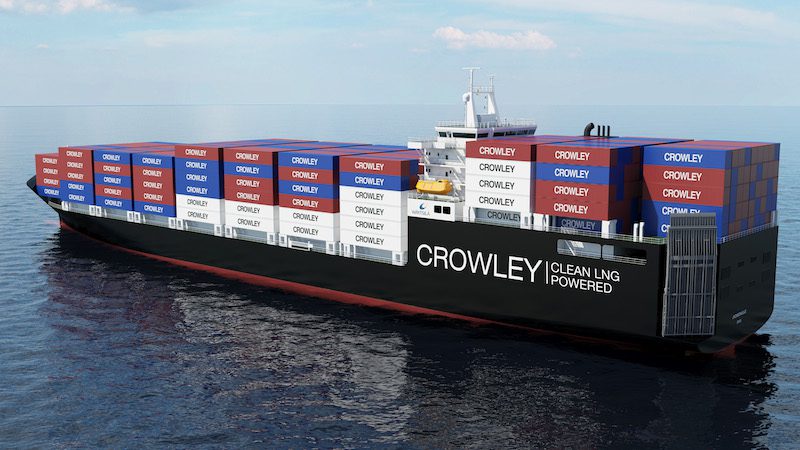
November 25, 2013 - Crowley announced it placed a groundbreaking order for a pair of LNG-powered RoRo-containerships, becoming the latest in a growing list of U.S. carriers -namely TOTE, Matson and Horizon Lines- opting for the use of clean burning LNG in the Jones Act market. Illustration courtesy Crowley

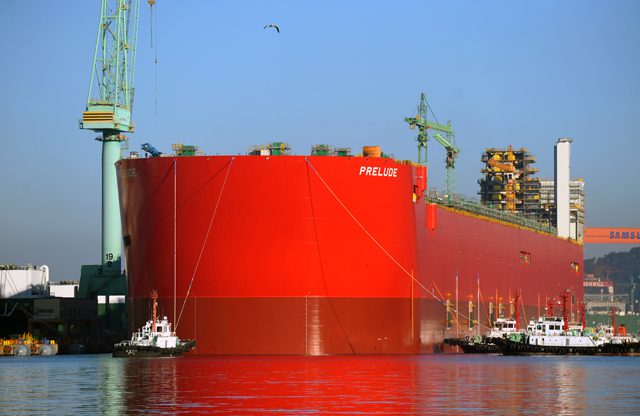
November 30, 2013 - The 488 meter long hull of Shell’s Prelude floating liquefied natural gas (FLNG) plant was floated out of dry dock at the Samsung Heavy Industries (SHI) yard in Geoje, South Korea, where it has been under construction for just over a year. At 600,000 tons fully loaded, the vessel will be the largest floating structure ever constructed. Image (c) Shell

December 12, 2013 - UK Classification society and gCaptain sponsor Lloyd’s Register
unveiled its new brand identity with an updated logo, celebrating the
culture of innovation built over the company’s 253-year history. Rival DNV-GL followed with a similar official announcement shortly thereafter. SPONSORED

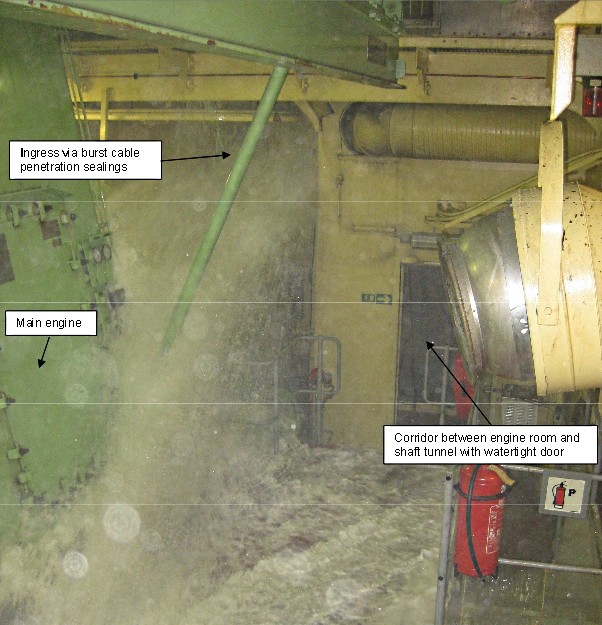
December 18, 2013 - The Danish Maritime Authority released its report into the February Emma Maersk incident near Port Said, determining that cable penetrations through water-tight bulkheads nearly did in the vessel if not for the quick actions of the crew.

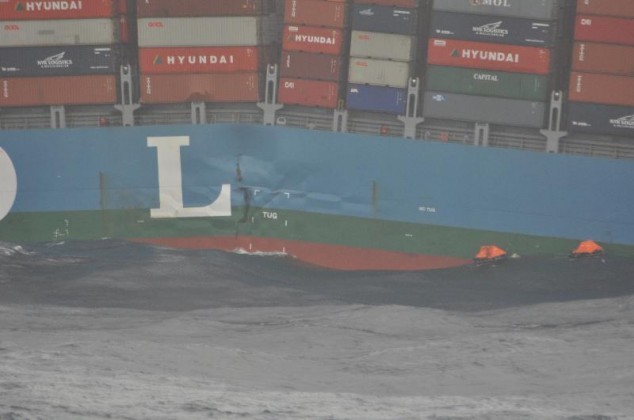
December 20, 2013 – An interim report into the MOL Comfort casualty in the Indian Ocean by Japan’s Ministry of Land, Infrastructure, Transport and Tourism (MLIT), in collaboration with ClassNK, determined that structural loads experienced at the time of breaking up were 33 percent less than the overall hull strength of the vessel, leaving investigators unable to recreate the incident. Photo courtesy Indian Coast Guard


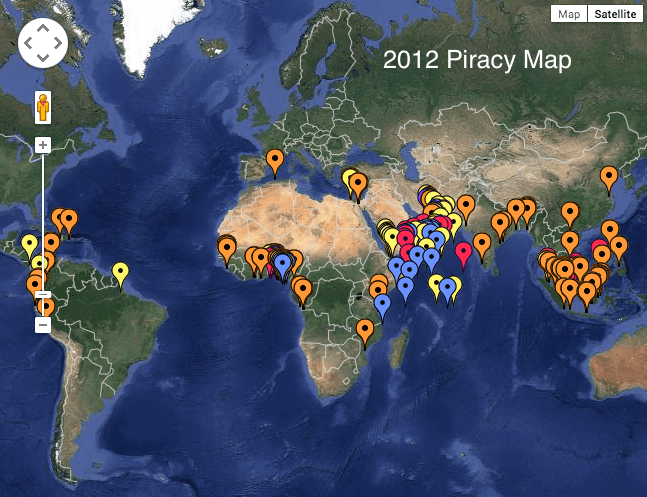
Piracy maps courtesy International Maritime Bureau’s Piracy Reporting Centre
BY
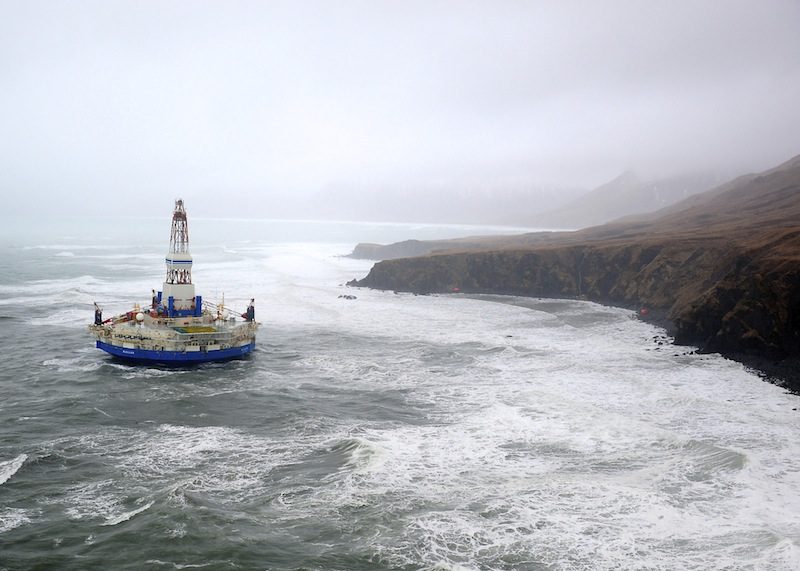
January 1, 2013 - Shell’s conical drilling rig Kulluk seen hard aground on the southeast shore of Sitkalidak Island, Alaska, on January 1, 2013. The rig grounded after breaking free during a tow from Dutch Harbor, AK to Everett, WA days earlier. The Kulluk was later pulled from shore without incident, but the grounding was the final straw in Shell’s mishap-plagued arctic drilling plans in the Chukchi and Beaufort Seas. U.S. Coast Guard Photo
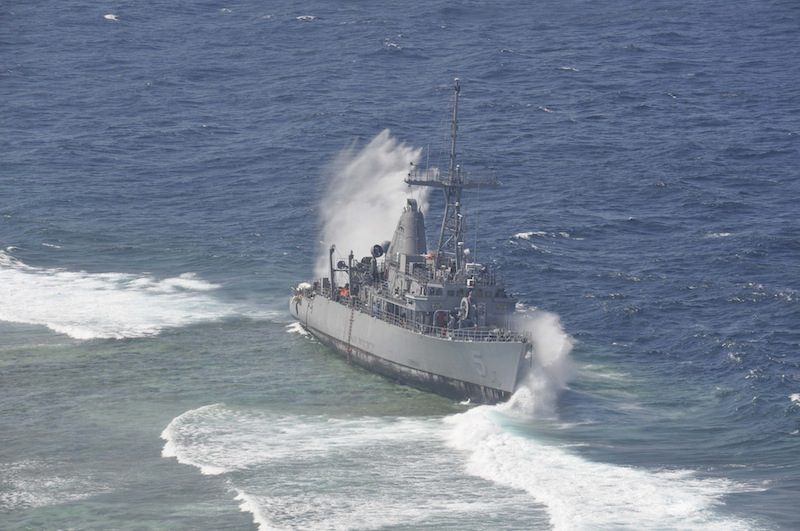
January 17, 2013 - Heavy waves crash against the grounded U.S. Navy mine countermeasure ship USS Guardian (MCM 5), which ran aground on the Tubbataha Reef in the Philippines, on January 17, 2013. The 23-year-old ship was so badly damaged that salvage crews were forced to cut the wooden-hulled vessel up and remove it in pieces. A preliminary report later determined that faulty digital charts contributed to the grounding. U.S. Navy Photo
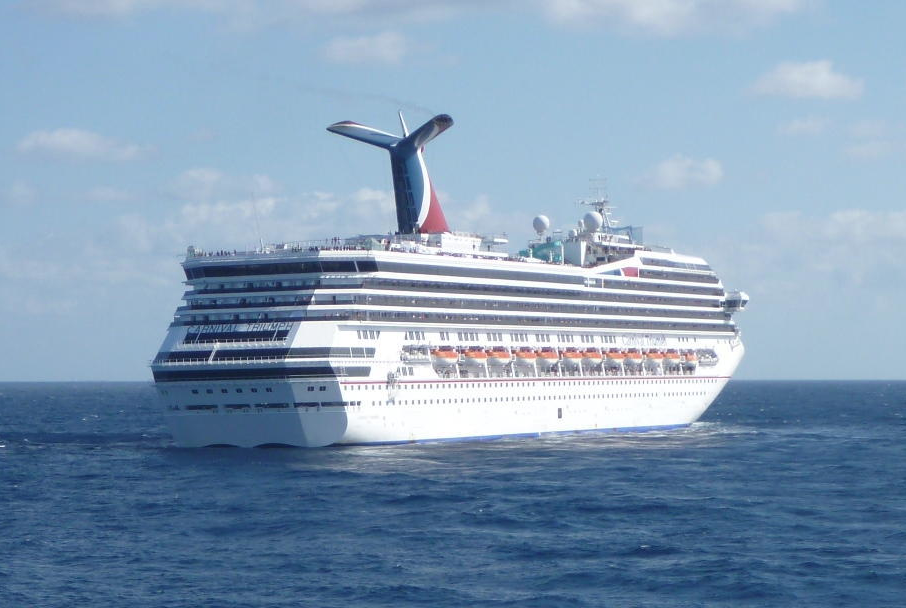
February 11, 2013 - The Carnival Triumph seen adrift off southern Mexico’s Yucatan peninsula in the Gulf of Mexico after a February 10 engine room fire caused the vessel to lose power and propulsion with more than 4,000 people onboard. Photo: U.S. Coast Guard
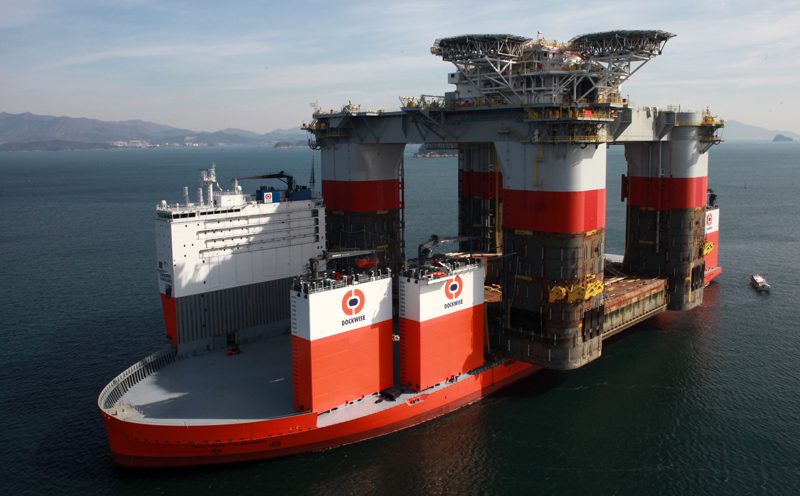
February 12, 2013 - Dockwise’s new Type-O heavy lift supervessel, Dockwise Vanguard, ready to depart Samsung Heavy Industries in Geoje, South Korea on her maiden voyage to Ingleside, Texas with the 56,000 ton Jack/St. Malo semisubmersible. Image (c) 2013 Dockwise
February 14, 2013 - The Carnival Triumph was towed into Mobile, Alabama a few days later with no real harm to passengers, but horror stories about the conditions onboard gained international media attention. The fallout from the incident was considered a black eye for Carnival and contributed to CLIA’s voluntary adoption of the “Passenger Bill of Rights,” a list of ten amendments addressing the basic freedoms of cruise ship passengers. Photo: REUTERS/ Lyle Ratliff
February 17, 2013 - The mighty Emma Maersk is towed from Egypt’s Port Said where she had been berthed since February 2 when a broken stern thruster caused the ingress of water into her engine room, leading to a loss propulsion near the northern entrance of the Suez Canal. The ship finally returned to service in July after undergoing major repairs at the Fincantieri yard in Palermo, Sicily. Photo courtesy Maersk Line
February 25, 2013 - The Sea Shepherd Conservation Society vessel Bob Barker (shark pattern) collides with the Japanese whaling fleet’s refueling ship, Sun Laurel, in the Southern Ocean in this photo released by the Institute of Cetacean Research (ICR). The Sea Shepherd’s high-seas antics were so aggressive this year that a U.S. court ruled in favor of Japan that the SSS fleet’s anti-whaling tactics, led by Paul Watson, really do amount to acts of piracy. Image credit: REUTERS/The Institute of Cetacean Research
March 1, 2013 - The U.S. Coast Guard kicked off an investigative hearing into the 2012 Bounty sinking, beginning with testimony from John Svendsen, Bounty’s Chief Mate, who was in all likelihood the last person to see Captain Waldridge alive. The eight days testimony were chronicled in a series by former Coast Guard rescue swimmer and safety expert, Mario Vittone, who attended the hearings. See: Bounty Hearings – Day 1
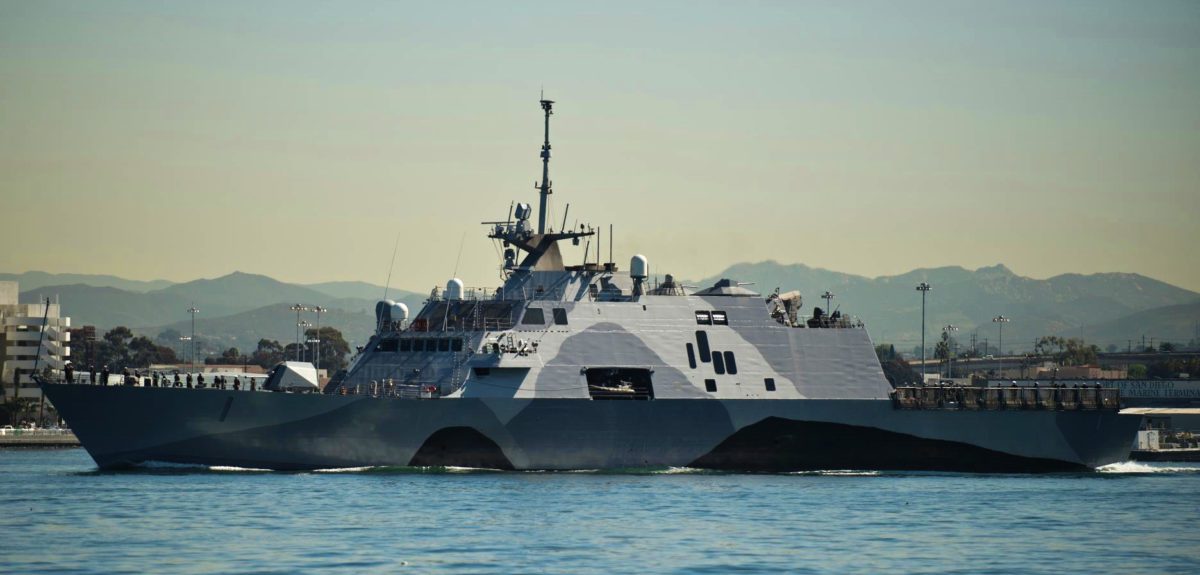
March 1, 2013 - The U.S. Navy’s first littoral combat ship, USS Freedom (LCS 1), seen departing her homeport of San Diego on her maiden overseas deployment to Southeast Asia. Despite a few setbacks for the first-in-class ship, the mission has been considered an overall success.
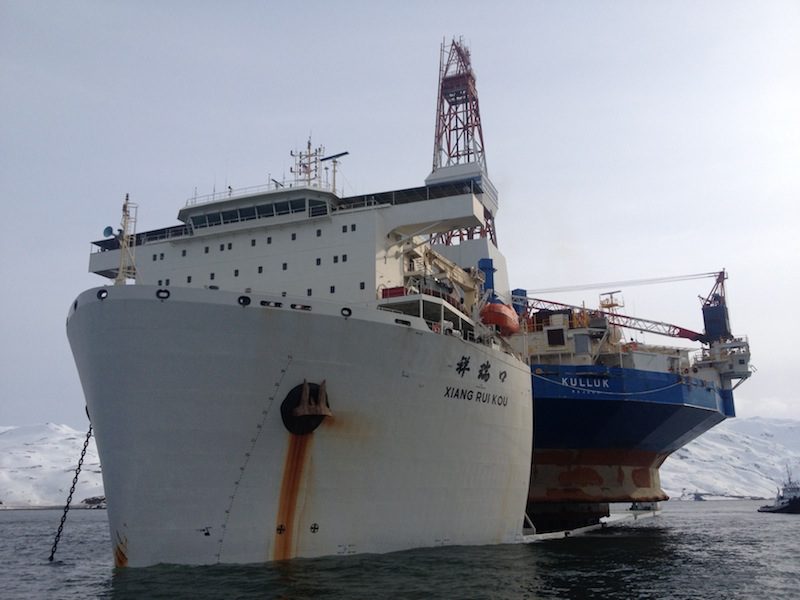
March 20, 2013 -Shell’s Kulluk rig, which we mentioned earlier, hitching a ride back to a shipyard in Asia for repairs. Needless to say, Shell’s 2013 summer arctic drilling plans never panned out.
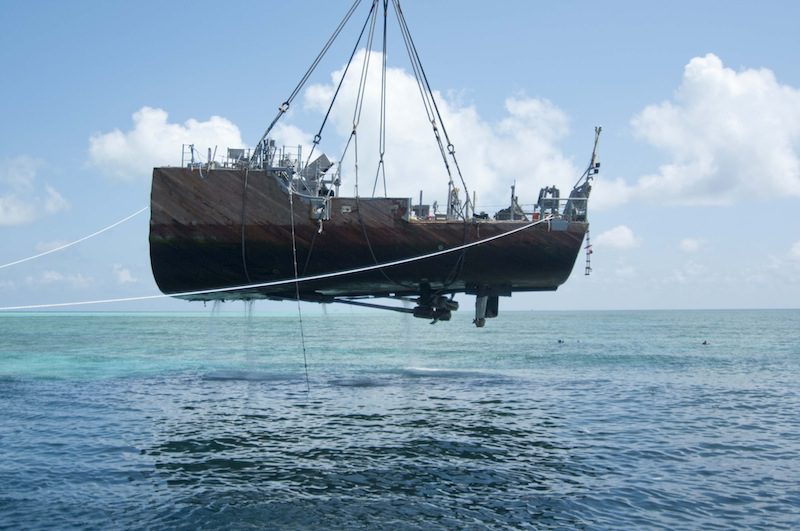
March 30, 2013 - The final section of the ex-Guardian is removed from the Tubbataha Reef in the Philippines. U.S. Navy Photo

April 3, 2013 - A strong afternoon thunderstorm caused the Carnival Triumph to break free from its moorings at the BAE Shipyard in Mobile, Alabama, where it had been undergoing repairs since its February power loss in the Gulf of Mexico. Winds reported to be about 70 mph pushed the vessel across the Mobile River and into a USACE dredge, causing damage. You can see video of the vessel breaking free HERE. U.S. Coast Guard Photo.
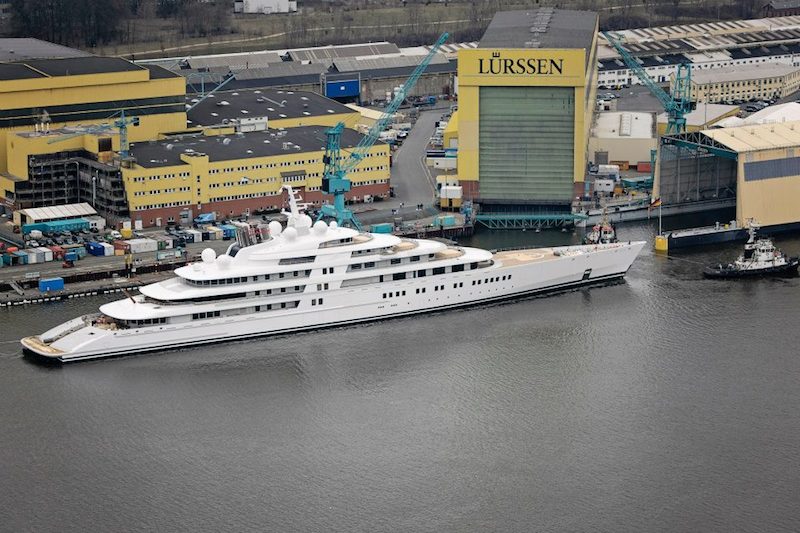
April 5, 2013 - Lürssen Yachts launched what is now the world’s largest superyacht at their shipyard in Bremen, Germany. Named Azzam, the superyacht measures a comfortable 180 meters (that’s 590 feet!), beating out the former World’s Largest Superyacht title holder, Roman Abramovich’s Eclipse, just a cozy 536 feet long. Photo courtesy Lürssen Yachts.

April 16, 2013 - Royal Caribbean International unveiled the long-awaited details of the company’s new generation Quantum-class, two of which are currently under construction at the Meyer Werft shipyard in Papenburg, Germany. The 167,800 grt ships will span 18 decks, with accommodation for 4,180 guests in 2,090 staterooms and once delivered will be the second largest in the RCCL fleet. Illustration courtesy Royal Caribbean International
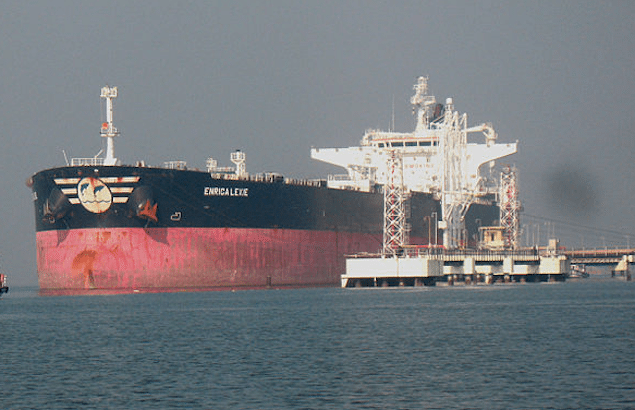
April 26, 2013 - India announced that a special anti-terrorism agency will investigate the case of two Italian marines accused of murdering two Indian fishermen while serving as part of a shipboard security team onboard the Enrica Lexie last year. The marines claim they mistook the fisherman for pirates when they fired warnings shots at the boat. Experts say the special agency’s involvement raises the possibility of the men facing the death penalty if convicted.

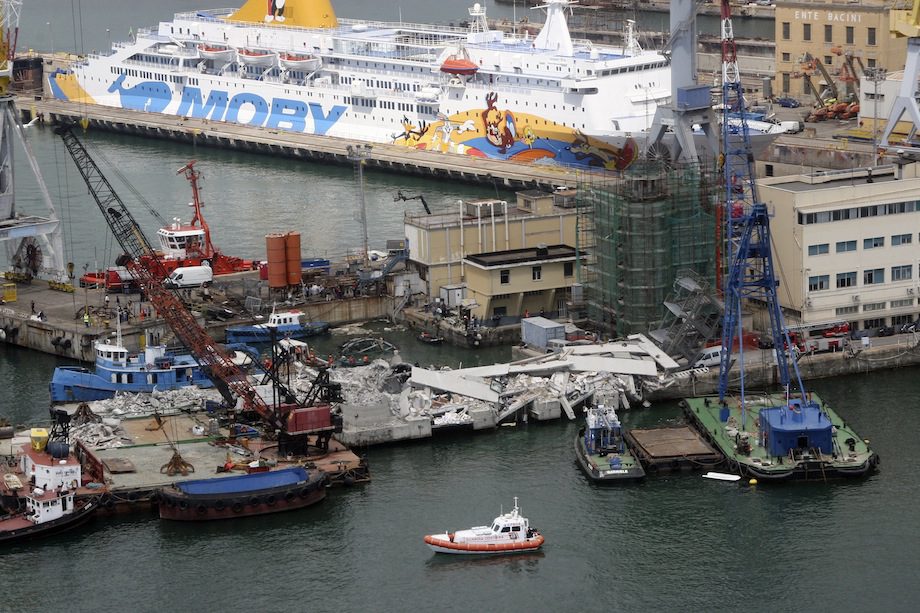
May 7, 2013 - At about 10 p.m., the Ignazio Messina-owned Jolly Nero containership backed into the 50-meter tall port control tower (pictured above) at the Port of Genoa, causing the structure and adjacent building to collapse, killing 9 people. The captain, first officer and pilot remain under investigation on charges of multiple manslaughter, assault on transport safety, and collapse of the tower due to a negligent maneuver. As tragic as it was, the incident could have been a lot worse had it happened during the day. Photo courtesy Italian Coast Guard
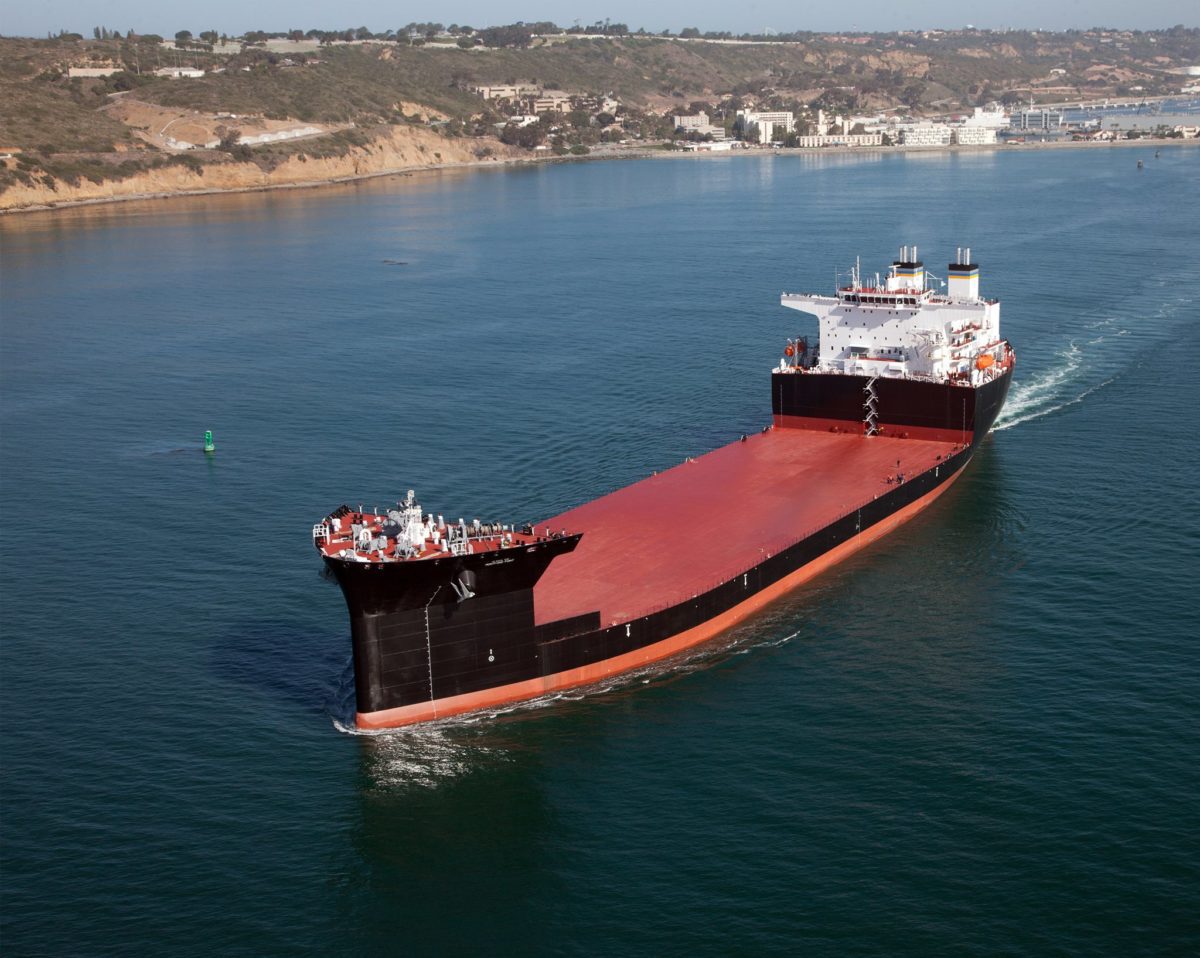
May 15, 2013 - On May 15, 2013, the U.S. Navy took delivery of the very first Mobile Landing Platform, USNS Montford Point (MLP 1), from General Dynamics-NASSCO in San Diego, California. The MLP is a new class of ship expected to provide the U.S. Navy with capability for large-scale logistics movements from sea to shore, but the class is questioned by some about its real-world usefulness. U.S. Navy Photo
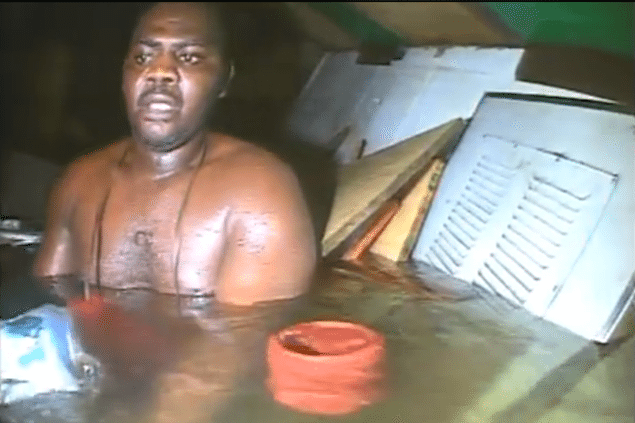
May 26, 2013 - On May 26, the Jascon 4 tugboat sank in 30 meters of water after it capsized off the coast of Nigeria, taking all 12 crew with it. Miraculously, more than two days after its sinking, a dive team searching for bodies came across a lone survivor, the ship’s cook, who was trapped inside a tiny air bubble and survived by drinking Coca-Cola’s. A video showing when divers discovered the man finally surfaced in early December and it is amazing. VIDEO
May 27, 2013 - Damage to the Royal Caribbean cruise ship Grandeur of the Seas is pictured as the ship is docked in Freeport, Bahamas on May 27, after a fire broke out on the ship’s aft mooring deck a day earlier. None of 2,224 passengers and 796 crew members were harmed in the incident, but photos of the fire damage weren’t exactly a good look for an industry already faced with public safety concerns. REUTERS/Royal Caribbean/Handout

June 13, 2013 - Nicaraguan lawmakers granted a 50-year concession to the Hong Kong-based HKND, lead by relatively the unknown businessman Wang Jing, pictured above, to design, build and manage a shipping channel across the Central American nation that, if built, would compete with the Panama Canal. REUTERS/Jason Lee
June 17, 2013 - On June 17, Mitsui O.S.K. Lines’ 2008-built MOL Comfort began suffering from severe hogging and broke in two while underway from Singapore to Jeddah in the Indian Ocean. The crew escaped in life rafts, but both the fore and aft sections went adrift before eventually sinking. Photo courtesy Indian Coast Guard

June 27, 2013 - Ten days after breaking up, the aft section began taking on water and sank in the Indian Ocean with an estimate 1,700 containers. Photo courtesy Indian Coast Guard
July 6, 2013 - Crews were able to connect to the fore section and tow it most of the way to the Arabian Gulf coast. But on July 2, the section broke free from its tow and, after several attempts to reconnect, eventually caught fire July 6. Photo courtesy Indian Coast Guard
July 10, 2013 - The charred section of the MOL Comfort ended up sinking four days later on July 10.

July 2, 2013 - Maersk Line took delivery of its first record breaking Triple-E, MV Mærsk Mc-Kinney Møller, and the vessel departed later in the month on her maiden voyage from Busan to ports throughout Asia and Europe. At 400 meters and with a capacity of 18,000 TEU, the Maersk Triple-E’s are the world’s largest ships. The company has ordered a total of 20 Triple-E’s from Daewoo Shipbuilding and Marine Engineering in South Korea. So far there are four Triple-E’s in service. Photo courtesy Vladimir Toniæ
July 9, 2013 - The MV Albedo, one of the last remaining hijacked vessels under the control of Somali pirates, sank in rough seas just off the coast of Somali. The MV Albedo and its 15 crew had been held by pirates since being attacked in the Indian Ocean in November 2010. There are still conflicting reports as to whether or not any of the hostages being held on board, or pirates, were killed when the vessel sank. In fact, the whereabouts of the hostages is yet to be confirmed. Image courtesy EU NAVFOR
Jul 16, 2013 - The North Korean container ship ”Chong Chon Gang” docked at the Manzanillo International Container Terminal in Colon City, Panama, July 16, 2013. The ship was seized by Panamanian authorities after finding missile equipment being smuggled from Cuba. REUTERS/Carlos Jasso
July 17, 2013 - Francesco Schettino (right), captain of the Costa Concordia cruise ship, talks with his lawyers during his trial in Grosseto, Italy. Schettino is on trial for charges of manslaughter, causing a shipwreck and abandoning ship after the 114,000 ton vessel, carrying more than 4,000 passengers and crew, struck a rock off the island of Giglio and partially sank with the loss of 32 lives on January 13, 2012. If convicted, Schettino could face up to 20 years in jail. REUTERS/Giampiero Sposito
August 7, 2013 - The world’s most dangerous cargo claimed another bulk carrier, the 2012-built MV Trans Summer, off the coast of Hong Kong during a tropical storm. The sinking was typical of a slew of recent casualties involving nickel ore shipments, particularly from Indonesia to China. The only difference with this incident was that their were no lives lost. Photo: HKG Flying Service
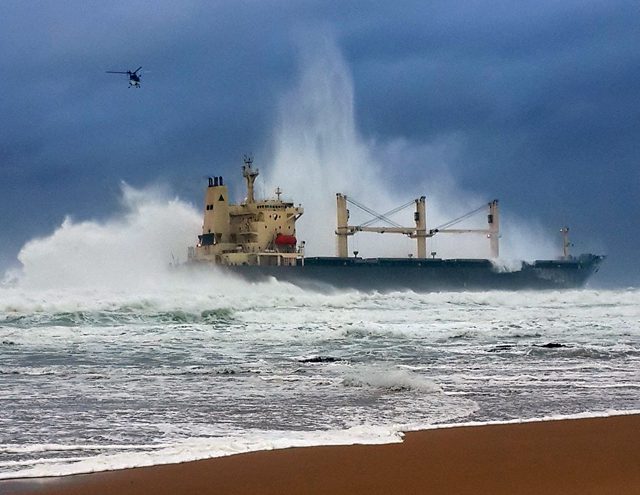
August 8, 2013 - On August 8th, the geared bulk carrier Kiani Satu was pushed aground in Buffels Bay, South Africa after suffering a power failure in heavy seas. The ship was eventually pulled from the beach, but the ingress of water resulted in her sinking far from shore on August 21, 2013. Image: NSRI
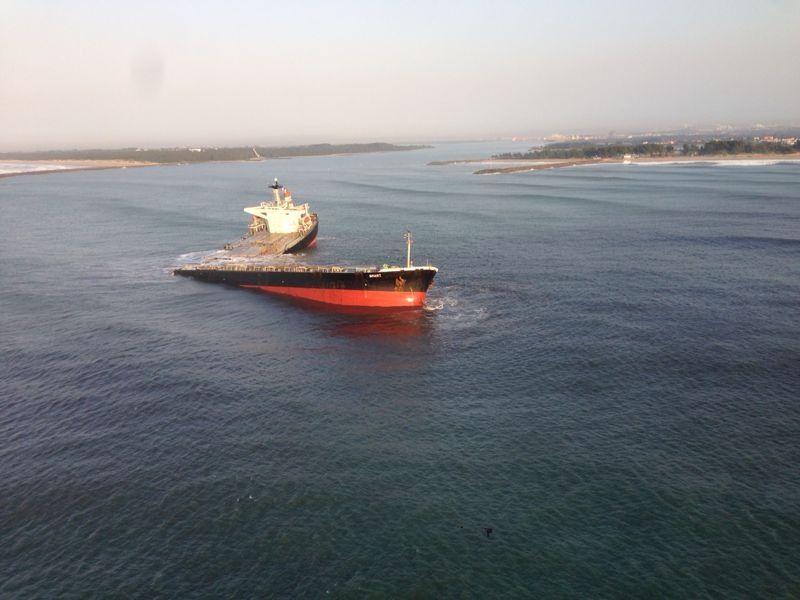
August 19, 2013 - Almost literally as the Kiani Satu was sinking, another bulk carrier in South Africa, the MV Smart, found itself hard aground on a sand bar just outside Port Richards Bay with a cargo of coal. The ship broke up shortly thereafter. Image: Glen Martin
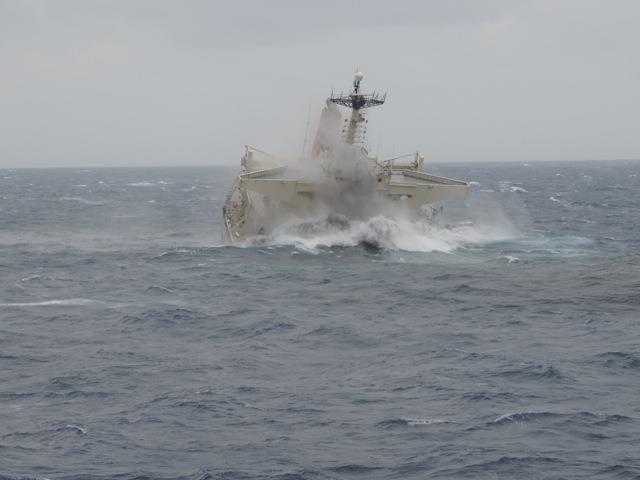
October 8, 2013 - After lightening, the Smart’s stern section was eventually refloated before being towed out to sea and scuttled. What ever happened to the bow section?
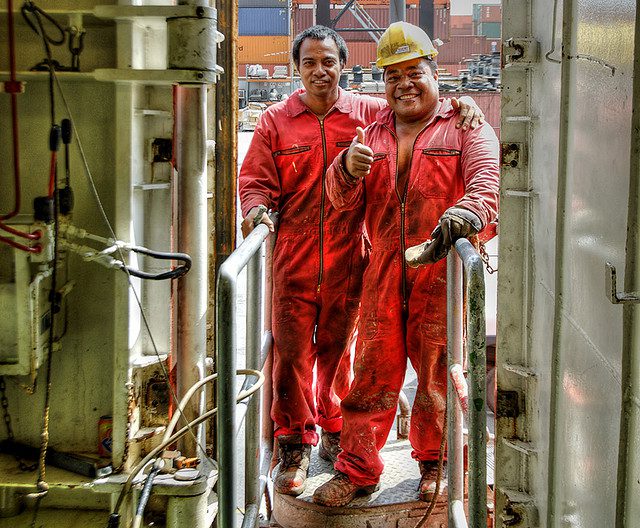
August 20, 2013 - The Maritime Labor Convention 2006, considered as the fourth pillar of maritime regulation, was entered into force. The convention, which has been dubbed the “Seafarers Bill of Rights”, provides an international set of standards concerning the basic rights of the world’s seafarers. As of December 20, a total of 54 countries have ratified the convention, representing approximately 80 percent of the world gross tonnage. Image (c) Lou Vest/OneEighteen
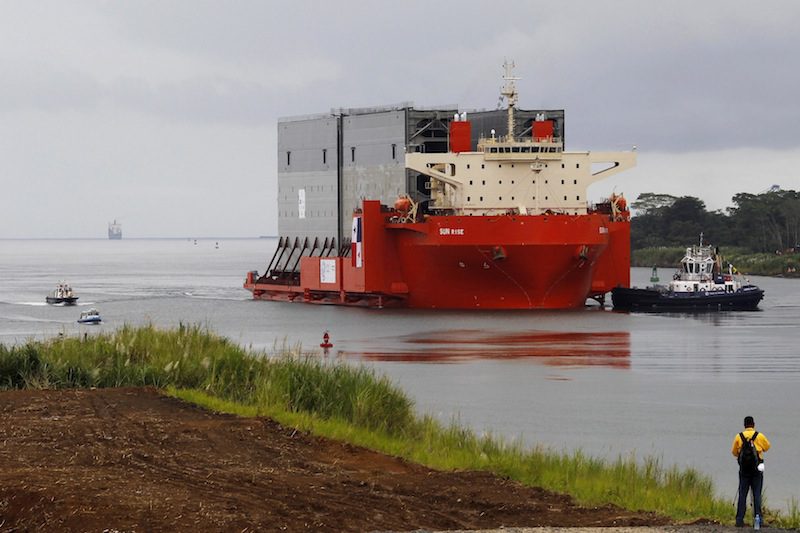
August 20, 2013 - The first four gates for the Panama Canal’s new, larger locks arrived in Colon, Panama. The arrival of the new gates was considered a major milestone in the expansion of the vital waterway, which is expected to be completed in 2015. REUTERS/ Carlos Jasso
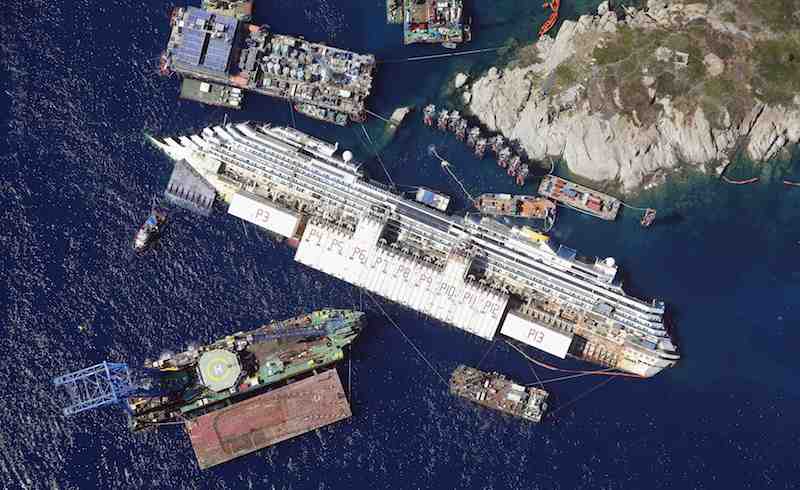
August 26, 2013 - An aerial view shows the Costa Concordia as it lies on its side next to Giglio Island taken from an Italian navy helicopter August 26, 2013, just as final preparations for the parbuckling of the ship were being made. REUTERS/Alessandro Bianchi

August 31, 2013 - A group of men used RPGs to launch an attack on a COSCO containership in the Suez Canal. The failed attempt caused little to no damage to the ship and any talk of terrorism was quickly downplayed officials in Egypt. A video of the attack was later released on youtube.
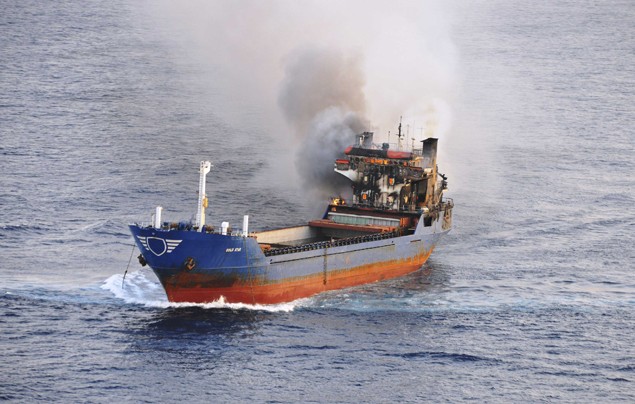
September 6, 2013 - September seemed like an epic month for smugglers in the Mediterranean Sea. The Tanzanian-flagged MV Gold Star, pictured here, was the first of two ships to see its multi-ton cannabis cargo go up in smoke off the coast of Malta. REUTERS/Armed Forces of Malta Press Office
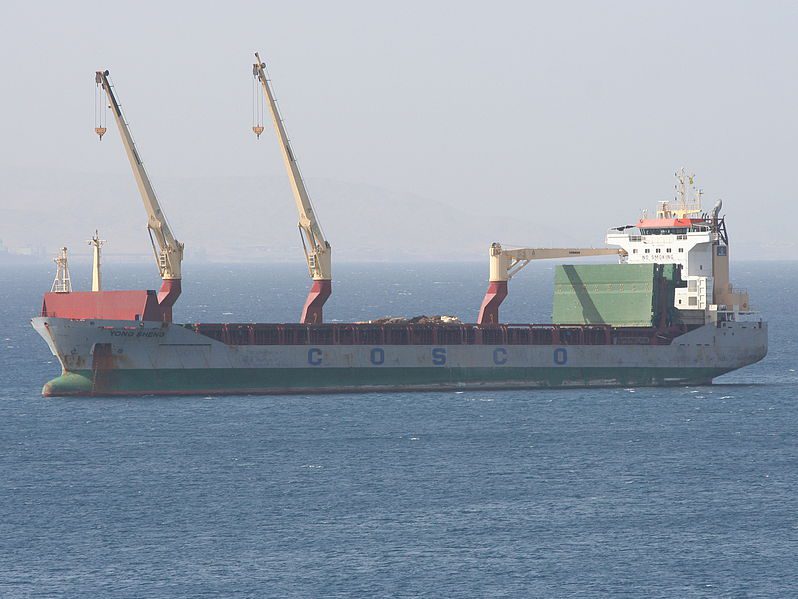
September 10, 2013 - The Chinese-flagged MV Yong Sheng arrived at the Port of Rotterdam following a 33 day voyage from the Port of Dalian in northeastern China via the Northern Sea Route. The journey marked the first time a commercial vessel sailed to Rotterdam from Asia via the famed arctic route and the first Chinese vessel to complete the journey, which is increasingly being considered as a viable option for shipping.
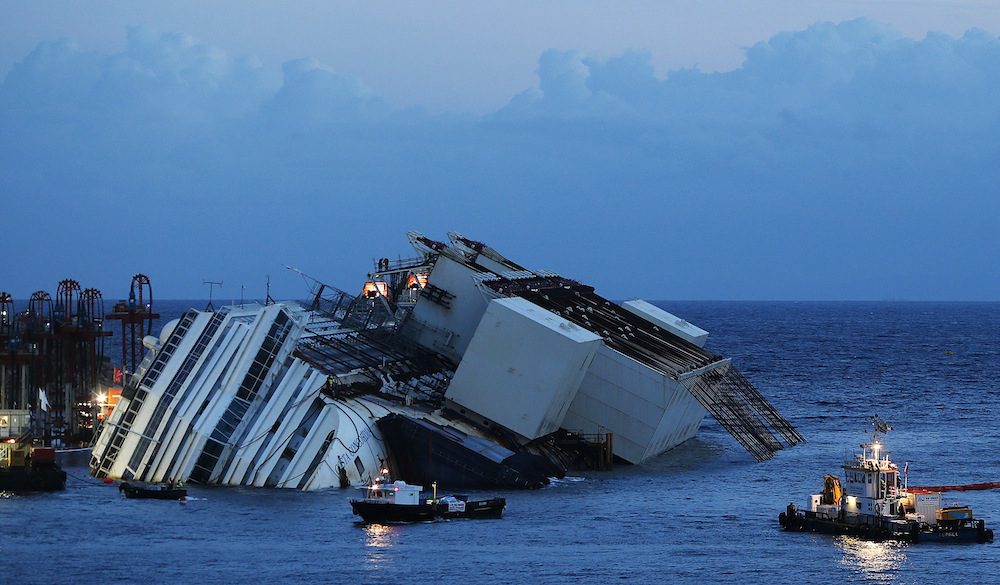
September 16, 2013 - The capsized cruise liner Costa Concordia lies on its side next to Giglio Island early on September 16, 2013 as the parbuckling operation gets underway. The parbuckling was delayed a few hours due to an overnight thunderstorm and in general took longer than expected. REUTERS/Tony Gentile
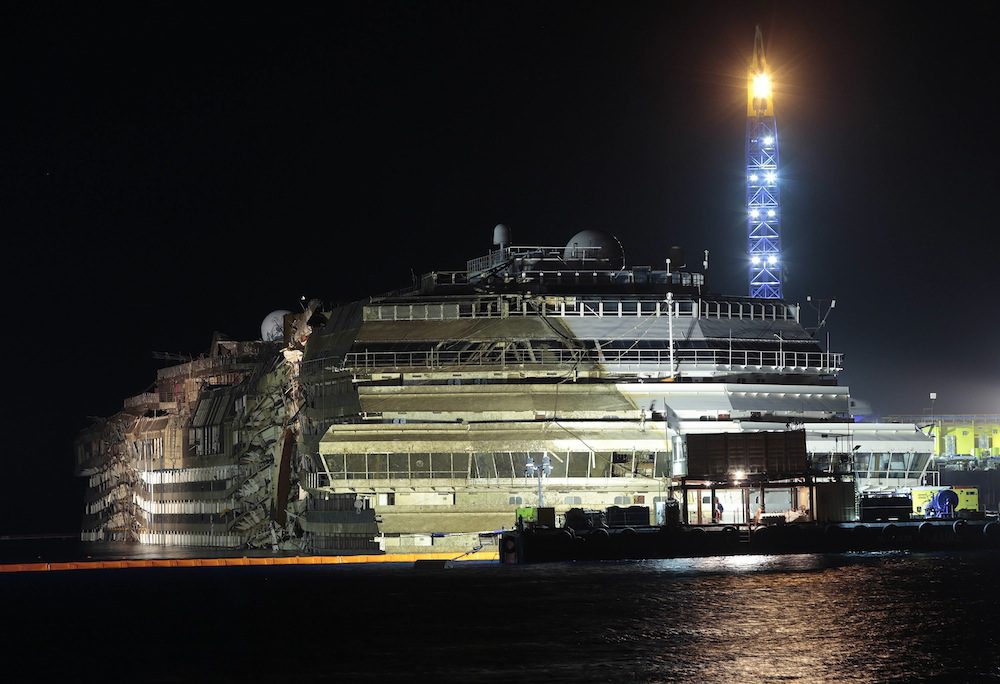
September 17, 2013 - The Costa Concordia sits upright for the first time in more than 20 months following the 19-hour parbuckling of the ship, which was watched live by millions. The operation was hailed as a complete success.
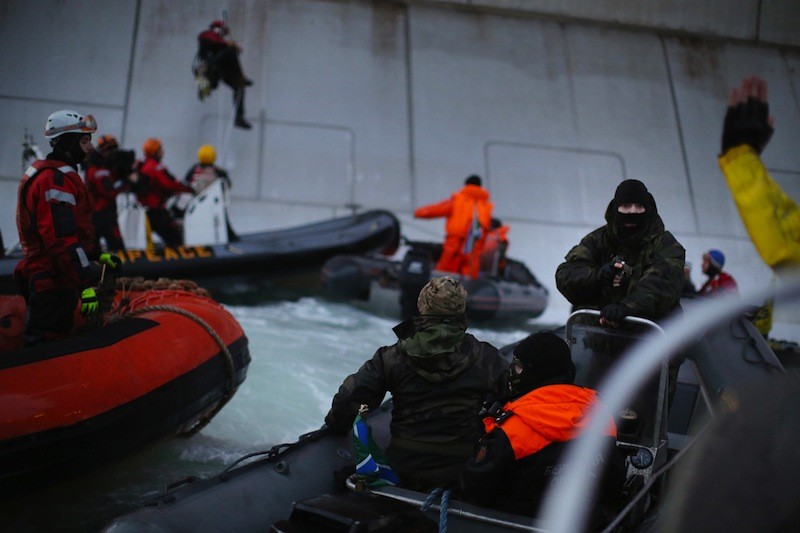
September 18, 2013 - On September 18, a security team onboard a Russian arctic oil platform had a run-in with a group of Greenpeace activists who trying to scale the rig in protest arctic oil drilling. The confrontation lead to the arrest of Greenpeace’s Arctic Sunrise vessel and all 30 activists onboard. The activists, who became known as the ‘Arctic 30′, originally faced charges piracy although the charges have since been downgraded to ‘hooliginism’, a lesser but still serious offense.
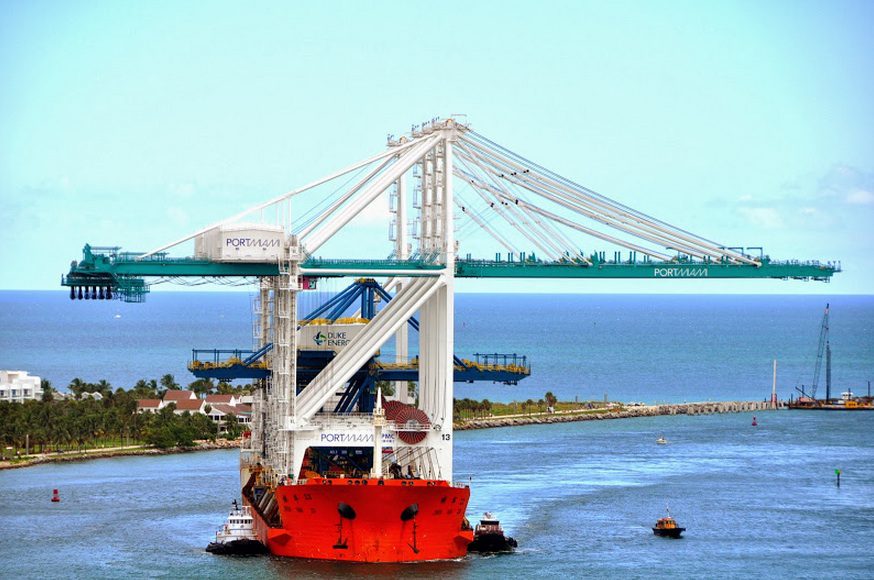
October 7, 2013 - PortMiami saw the arrival of four new Super Post-Panamax cranes from China as the port prepares for larger ships ahead of the opening of the expanded Panama Canal in 2015. “The Post-Panamax Era is near at hand,” said Miami Mayor Carlos A. Gimenez. Image courtesy PortMiami
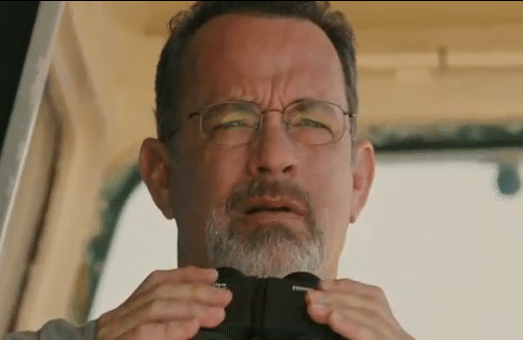
October 11, 2013 – The blockbuster movie Captain Phillips, perhaps the most anticipated maritime film ever, was released in theaters. The movie, which tells the story of the 2010 Maersk Alabama hijacking off Somalia, was praised by critics and the industry alike and was used as the centerpiece for promoting a strong U.S. Flag, even if some didn’t agree with Phillips’ orders to sail close to the Somali coast to save time.
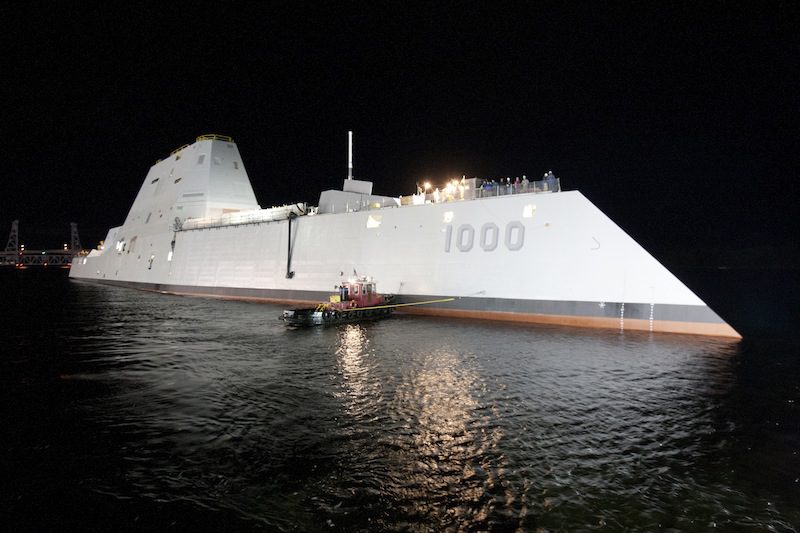
October 28, 2013 - General Dynamics Bath Iron Works successfully launched the Navy’s first Zumwalt-class destroyer at their Bath, Maine shipyard. The ship, the future USS Zumwalt (DDG 1000), will be the first of three ships in the Navy’s newest destroyer class, designed for littoral operations and land attack. U.S. Navy Photo
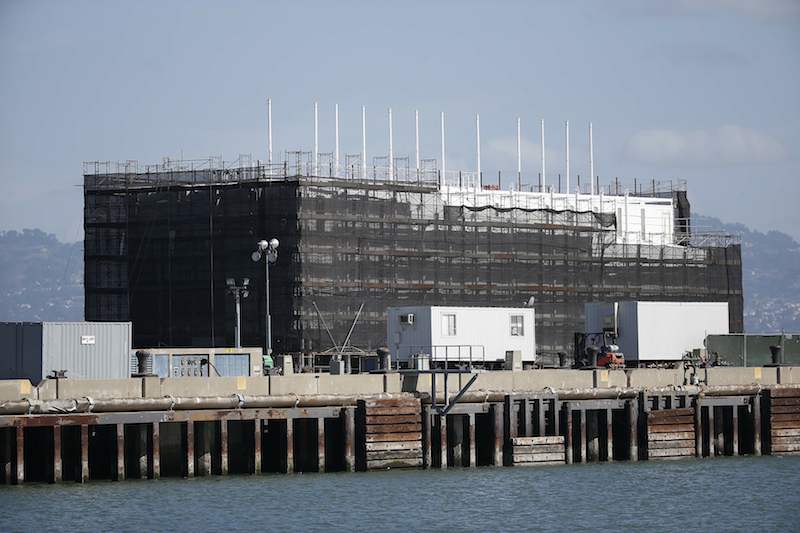
November 6, 2013 - Search giant Google for the first time acknowledged the existence of, and use for, a mysterious barge under construction in San Francisco Bay, silencing rumors that the facility may be a floating data center. Still it seems the more we find out about the barge (along with a similar one in Maine), the less we really know about its intended use. REUTERS/Stephen Lam/Files
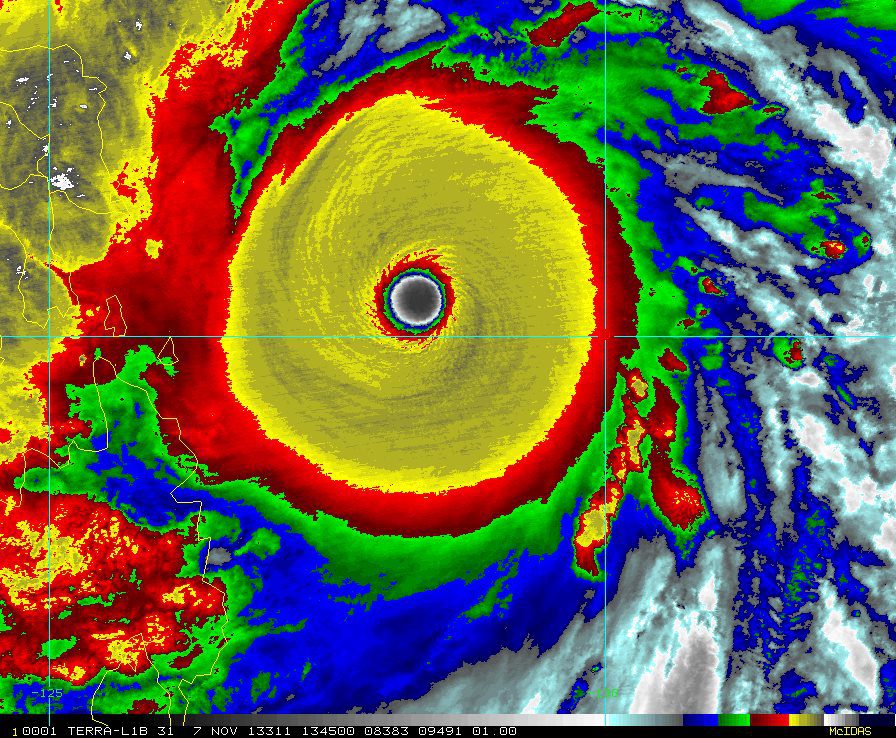
November 7, 2013 - Super Typhoon Haiyan (aka Yolanda) was packing winds of 196 miler per hour with gusts as high as 235 mph before going ashore in the central Philippines early on November 8. Image courtesy of CIRA/RAMMB http://rammb.cira.colostate.edu/
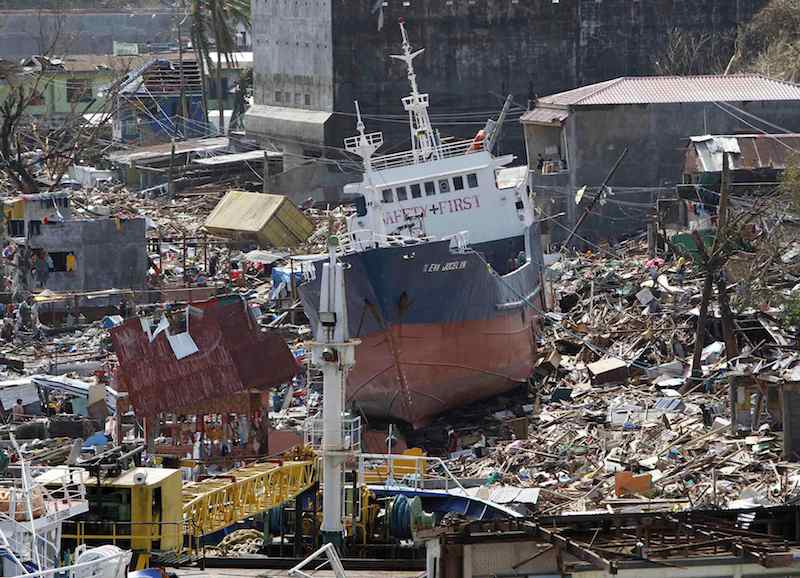
November 11, 2013 - A cargo ship washed ashore is seen four days after super typhoon Haiyan hit Tacloban city in the central Philippines, November 11, 2013. Haiyan has turned out to be strongest storm ever recorded on earth. REUTERS/Romeo Ranoco
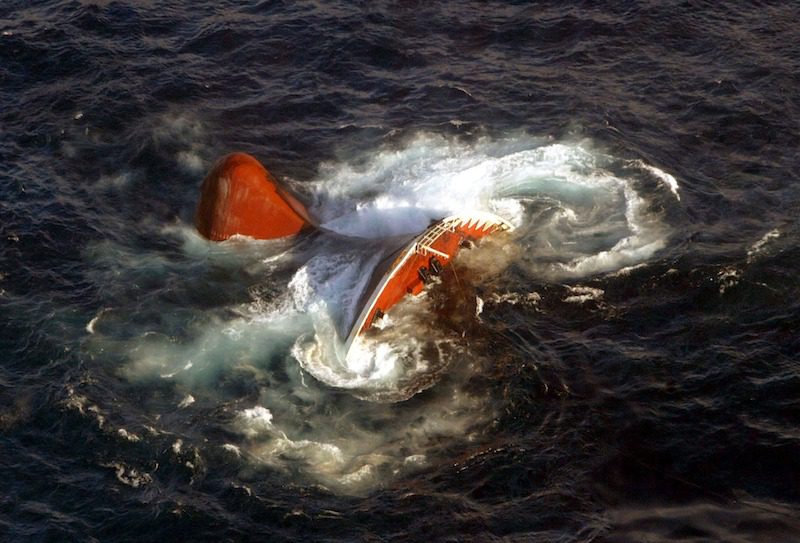
November 13, 2013 - A Spanish court cleared the Captain and Chief engineer of criminal responsibility in relation to the 2002 sinking of the Prestige oil tanker, Spain’s worst ever environmental disaster. To the dismay of maritime industry, the Court also cleared the port official who refused the vessel and upheld a lesser charge of ‘disobedience’ against the Captain for refusing to sail the damaged ship out to sea during a storm. Spain is planning to appeal the case.
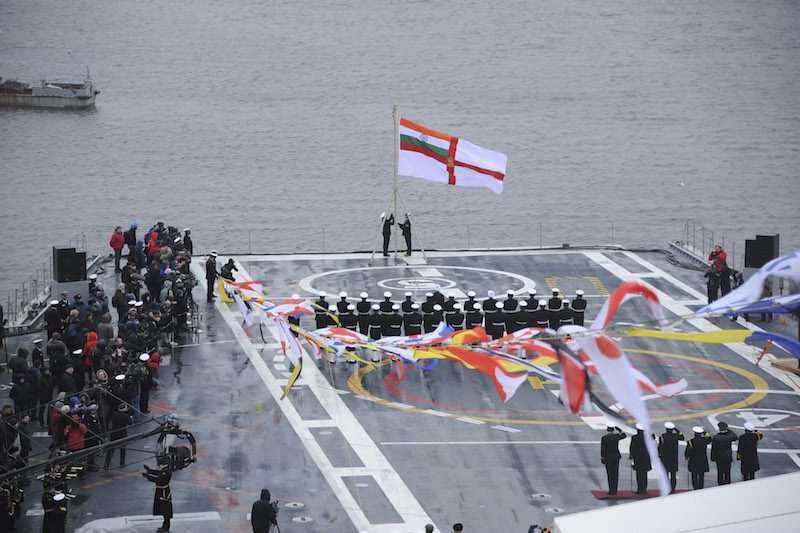
November 16, 2013 - The Indian Navy flag is hoisted on the aircraft carrier INS Vikramaditya during its commissioning into the Indian Navy at Sevmash Shipyard in Russia, November 16, 2013. Russia finally handed over the $2.3 billion aircraft carrier after years of delays, extending the South Asian country’s maritime reach in the Indian Ocean as it looks to counter China’s assertive presence in the region. REUTERS/Press Information Bureau of India/Handout via Reuters
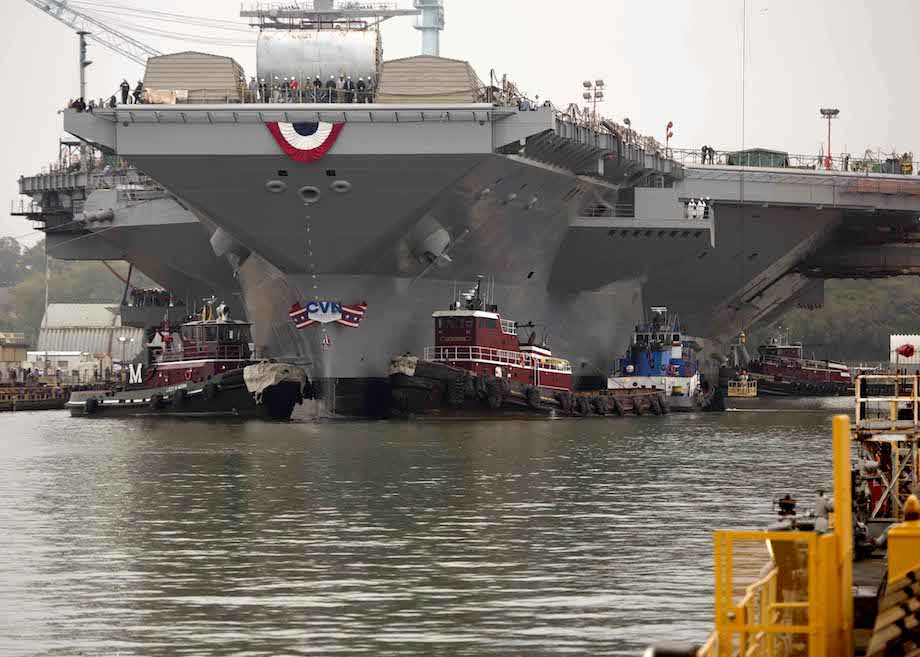
November 17, 2013 - The U.S. Navy’s next-generation aircraft carrier, Gerald R. Ford (CVN 78), was launched during a ceremony at Newport News Shipbuilding in Virginia, where the ship has been under construction since November 2009. U.S. Navy Photo
November 25, 2013 - Crowley announced it placed a groundbreaking order for a pair of LNG-powered RoRo-containerships, becoming the latest in a growing list of U.S. carriers -namely TOTE, Matson and Horizon Lines- opting for the use of clean burning LNG in the Jones Act market. Illustration courtesy Crowley
November 30, 2013 - The 488 meter long hull of Shell’s Prelude floating liquefied natural gas (FLNG) plant was floated out of dry dock at the Samsung Heavy Industries (SHI) yard in Geoje, South Korea, where it has been under construction for just over a year. At 600,000 tons fully loaded, the vessel will be the largest floating structure ever constructed. Image (c) Shell

SPONSORED
December 18, 2013 - The Danish Maritime Authority released its report into the February Emma Maersk incident near Port Said, determining that cable penetrations through water-tight bulkheads nearly did in the vessel if not for the quick actions of the crew.
December 20, 2013 – An interim report into the MOL Comfort casualty in the Indian Ocean by Japan’s Ministry of Land, Infrastructure, Transport and Tourism (MLIT), in collaboration with ClassNK, determined that structural loads experienced at the time of breaking up were 33 percent less than the overall hull strength of the vessel, leaving investigators unable to recreate the incident. Photo courtesy Indian Coast Guard
Vs

Piracy maps courtesy International Maritime Bureau’s Piracy Reporting Centre


.JPG)
.jpg)
.JPG)


